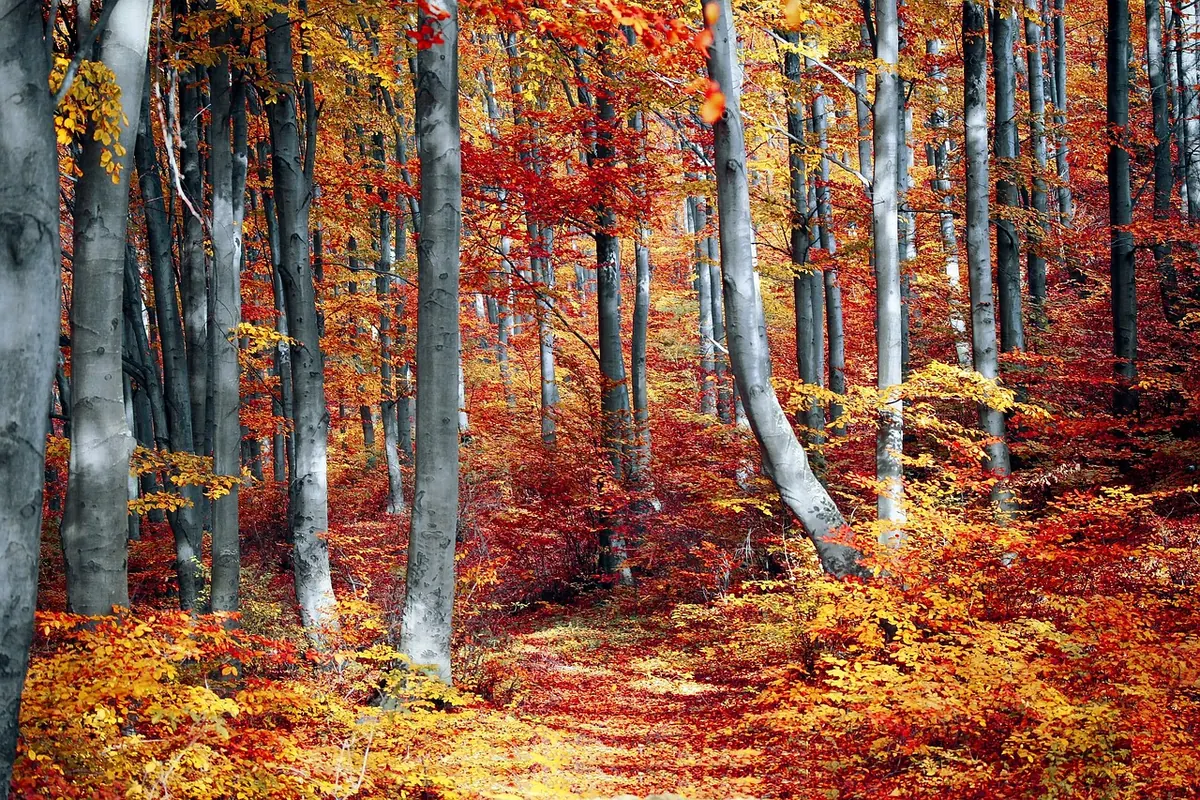
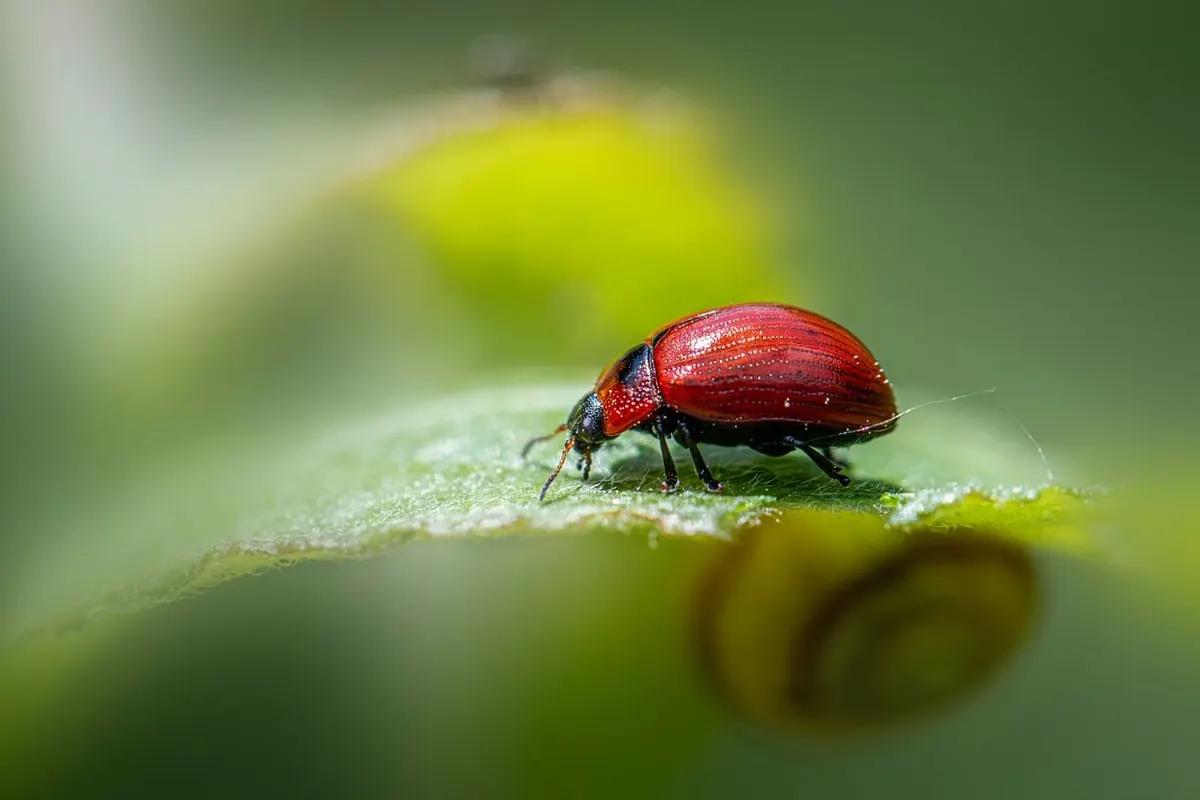
A 3-Hour Woodland Walk Photography Checklist for Early Spring
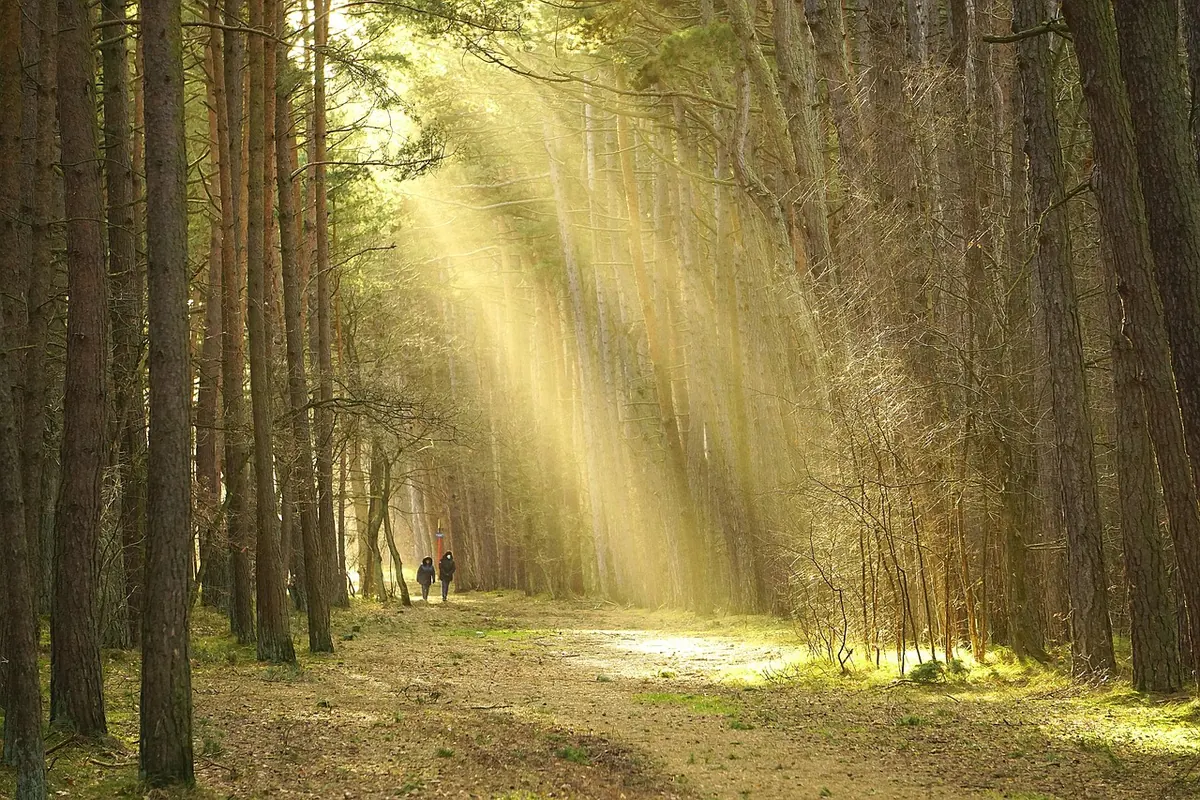
Three hours is an odd amount of time to spend in a wood. It is long enough to walk a mile of path and come home with an empty card, and short enough that the excuses win unless you decide in advance what you are there for. Early spring makes that decision easier, because the wood is briefly full of things that will not be there next week: catkins loosening, the first wood anemones opening in the warm patches, frost still held in the shaded ruts at ten in the morning. What follows is a working plan for those three hours — where to point the camera, what to carry, and how to pace the walk so you are still curious at the end of it.
Most disappointing woodland walks fail at the planning stage, and the mistake is usually distance. A five-kilometre loop gives you a brisk hike with photographs taken from wherever you happened to stop. A single kilometre of good path, walked twice, gives you a set of pictures. On a three-hour walk, cover less ground than feels natural and stop more often than feels comfortable.
Check the forecast the night before and let it choose the wood. A clear, cold morning after a wet day is the best case: mist will sit in the low ground for the first hour, and backlight does things to bare branches and new buds that flat light never manages. Soft overcast is the second-best outcome and in some ways the easier one, since contrast stays low and you can photograph moss, bark and flowers without fighting the sky. Wind is the thing to watch. Even a light breeze will end serious close-up work by mid-morning, so spend your steadiest hour early.
Early spring is hard on gear and easy on it at the same time. Nothing is heavy yet, but the ground is cold, wet and often still frozen beneath the leaf litter. Keep the kit modest and the bag light enough that you will actually kneel down in the mud.
A list stops you from drifting. It is not a script — if a deer steps into the frame, forget the list — but it gives you somewhere to start when the wood looks like an undifferentiated mass of brown.
If you only get through three of these, do them properly. Take one subject, give it ten minutes, and shoot ten different frames of it — different heights, different distances, different backgrounds. That exercise alone usually produces the picture of the day.
The great advantage of early spring is that light reaches the forest floor. In June that same floor will be in deep shade; now the canopy is open and you can work with side light almost anywhere. Use it.
Leaf litter, seedlings, moss cushions, tracks in mud, the first shoots pushing through. Get the camera at ground level rather than pointing down at it from standing height; the change in perspective is worth more than any filter.
Bare branches are structure, and structure is composition. Stand under a tree and shoot straight up through the crown. Look for a single branch crossing a patch of grey sky. When the buds come, backlight them so the new growth glows at the edges.
The best detail tends to live where two things meet: path verge, stream bank, woodland boundary, the line where a fallen tree crosses the leaf litter. Those transitions give you foreground, subject and background in one frame.
Wind is the enemy of close-up work, and patience beats shutter speed. Wait for the lull, shoot in short bursts, and pick the sharp frame later. When handholding, raise the ISO rather than dropping the shutter to a speed you cannot hold. A small tripod or a beanbag lets you stop down for depth of field on moss and flowers, where a single frame rarely holds front to back; take two or three frames at different focus points and blend them afterwards if you like, though a well-chosen single plane often reads better than a stack.
Watch your histogram on bright, cloudless days: a pale sky behind dark trunks will fool the meter into underexposing the wood. Shoot raw, check the highlights, and be prepared to let a patch of sky blow out in exchange for detail in the branches. And keep your feet on the path. Early spring flowers are easily crushed, and a kneeling photographer in a patch of anemones does more damage than a week of walkers. Kneel on the mat, not on the colony.
It happens around the two-hour mark: the light has gone dull, the wood looks like a pile of sticks, and the car is not far away. Change one variable rather than giving up. Get lower than you have been all day. Swap to a longer or shorter focal length and force yourself to use only that. Turn into the light instead of away from it. Choose one square metre of ground and work it for ten minutes with no expectation of a keeper. Then stand still, quietly, for five minutes — the wood usually resets around you and something moves.
Deal with the files the same day, while you still remember why you took them. Delete the obvious misses, mark the three frames you would show someone else, and write a short note about the ones that nearly worked: the log you could not get a clean background on, the flower that was a day from opening. That note is what turns a pleasant walk into a return trip with a purpose, and a week's time is often exactly right — the same path, the same trees, an entirely different set of subjects as the wood catches up with the season. Dry the gear, clean the boots, and check yourself for ticks before you sit down.
Photo: Nowaja / Pixabay
Previous Post
Camera Settings for Misty Woodland Photography: A Beginner's Cheat Sheet
Next Post
Photographing Autumn Leaf Litter: 7 Composition Ideas